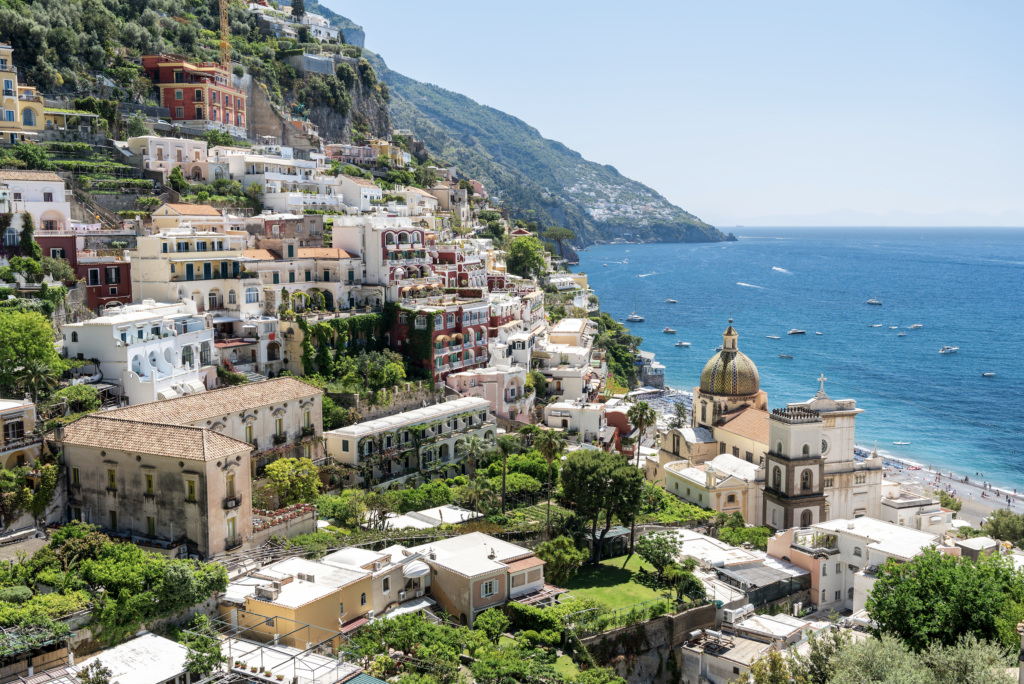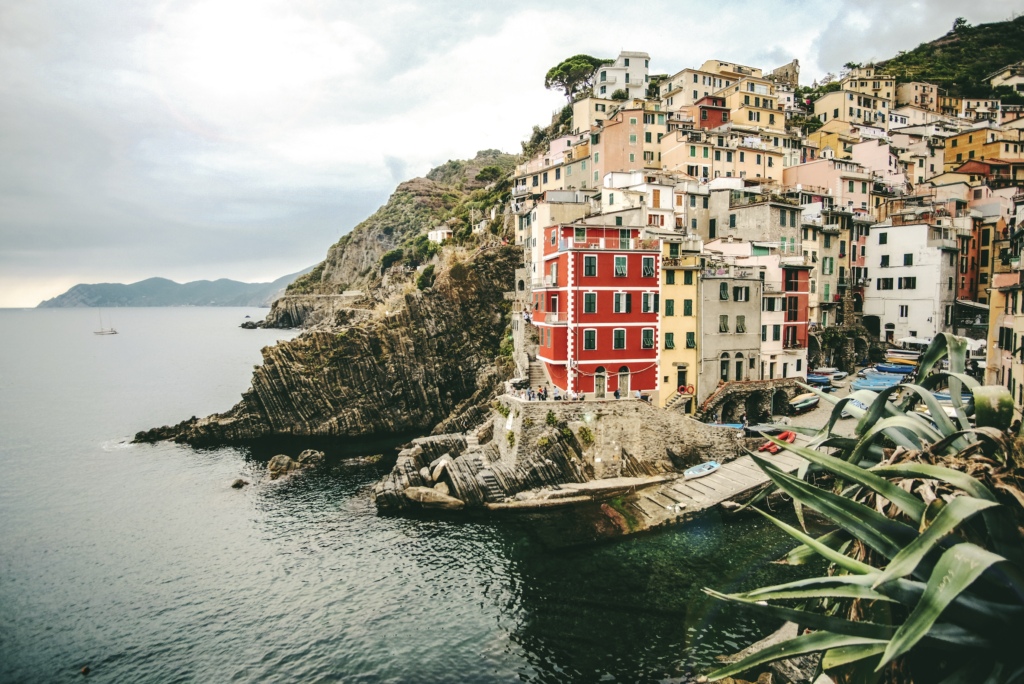
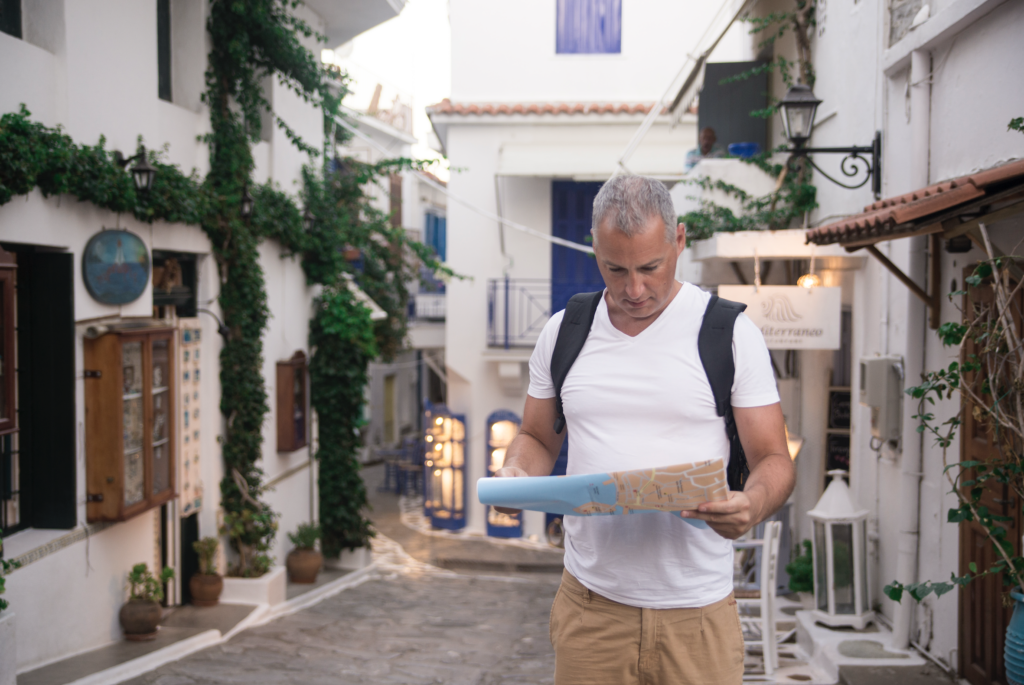
Italy’s allure draws millions each year, yet for first-time visitors the sheer variety can feel overwhelming. ItalyTravel guides newcomers through the essentials, helping you focus on iconic experiences while avoiding common pitfalls that turn dream trips into stressful ones.
Planning Your First Italy Trip Wisely
Start with realistic timing. Most experts recommend 10–14 days minimum to touch the highlights without rushing. Trying to cram Rome, Florence, Venice, the Amalfi Coast, and Cinque Terre into a week often leads to exhaustion and missed moments. Instead, prioritize the classic trio: Rome for ancient history, Florence for Renaissance art, and Venice for its unique canals.
Best seasons for beginners fall in shoulder months—late April to early June or mid-September to late October. Temperatures stay comfortable (18–25°C), crowds thin compared to July–August peaks, and prices drop slightly on accommodations. Summer brings heat waves and packed sites; winter offers lower rates but shorter days and occasional rain.
Book major tickets well ahead. The Colosseum, Vatican Museums, Uffizi Gallery, and Accademia (home to Michelangelo’s David) sell out months in advance, especially for timed entry slots. Reserve at least 60–90 days out through official sites or trusted partners to skip long lines.
Transportation between cities relies heavily on high-speed trains. Trenitalia’s Frecciarossa connects Rome to Florence in about 1.5 hours, Florence to Venice in around 2 hours. Purchase tickets online early for the best fares—prices rise closer to departure. For shorter hops or countryside exploration, regional trains work fine, though they require more patience.
Must-See Cities and What to Prioritize
Rome deserves at least three full days. Walk the historic center to see the Pantheon (free entry most times), toss a coin in the Trevi Fountain, and climb the Spanish Steps at sunset. The Colosseum and Roman Forum pair well in one morning ticket. Vatican City, including St. Peter’s Basilica and the Sistine Chapel, needs a separate half-day—arrive early to beat tour groups. Evening gelato strolls through Trastevere reveal a livelier, local side.
Florence shines in two to three days. Focus on the Duomo complex (climb the dome for panoramic views), Ponte Vecchio, and the Uffizi’s masterpieces. The Accademia houses David—book a morning slot. Wander Oltrarno neighborhood for artisan workshops and quieter piazzas. A half-day trip to Pisa or Siena adds variety without overextending.
Venice feels magical yet fragile. Allocate two to three days to wander alleys, ride a vaporetto along the Grand Canal, and visit St. Mark’s Square at dawn before crowds arrive. Skip overpriced gondola rides near San Marco; opt for a traghetto crossing instead for an authentic, cheap experience. Day trips to Murano (glass) and Burano (colorful houses) offer breathing room from the main island’s bustle.
Practical Tips to Travel Smarter
Dress respectfully, especially in churches and religious sites. Shoulders and knees should stay covered—no tank tops or shorts inside the Vatican or major basilicas. Comfortable walking shoes prove essential; cobblestones and uneven pavement destroy flimsy footwear.
Meals follow a rhythm. Breakfast stays light—espresso and cornetto at a bar. Lunch around 1–3 pm, dinner from 7:30 pm onward. Avoid tourist-trap restaurants with photo menus or waiters outside hawking tables. Look for places packed with locals. Tipping remains modest—round up the bill or leave €1–2 per person if service impressed you.
Water flows freely from fountains (nasoni in Rome) marked “potabile.” Refill bottles to save money and reduce plastic. Public restrooms often charge €0.50–1; carry small change.
Watch for pickpockets in crowded spots like Termini station, metro lines, and around major monuments. Keep valuables in a secure bag worn across your body. Use hotel safes for passports and extra cash.
Sample 10-Day Itinerary for First-Timers
Days 1–3: Rome – Arrive, explore ancient sites, Vatican, evening walks. Days 4–6: Florence – Train from Rome, art galleries, Duomo climb, Tuscan countryside day trip. Days 7–9: Venice – Train north, island exploration, lagoon islands. Day 10: Depart from Venice or return to Rome for flights.
This route minimizes backtracking and maximizes high-speed rail efficiency. Add buffer days for jet lag or spontaneous discoveries.
Food and Cultural Essentials
Italian cuisine varies wildly by region—don’t expect the same pasta everywhere. In Rome try carbonara or cacio e pepe; Florence offers bistecca alla fiorentina; Venice serves seafood risottos and cicchetti snacks. Cappuccino belongs to mornings—ordering one after 11 am marks you as a tourist. Aperitivo hour (pre-dinner drinks with small bites) offers great value in many cities.
Learn basic phrases: “Buongiorno,” “Grazie,” “Per favore.” Italians appreciate the effort, even if your accent falters. Patience matters—service moves slower than in some countries, reflecting a focus on enjoying the moment rather than rushing.
Italy rewards those who slow down. Linger over meals, chat with shopkeepers, watch sunset from a piazza. These small rituals create lasting memories beyond any checklist.
ItalyTravel builds custom plans tailored to first-timers, balancing must-sees with breathing space, insider access, and stress-free logistics. Your inaugural journey deserves to feel effortless and enchanting—let the country unfold at its own beautiful pace.