Planning your first (or next) adventure in Italy becomes straightforward when broken into clear stages. ItalyTravel helps turn that excitement into a seamless experience by handling details while you focus on what draws you most—ancient ruins, Renaissance masterpieces, coastal drives, or family-run trattorias. Follow this practical step-by-step approach to build your perfect journey.
Step 1: Define Your Goals and Timeline
Ask yourself the key questions early. How long can you stay—7 days, 10–14 days, or longer? What interests you most: history and art, food and wine, beaches and islands, hiking in mountains, or a mix? Are you traveling solo, as a couple, with family, or friends? Budget range per person (excluding flights) often falls between €1,200–€2,500 for two weeks, depending on accommodation style and dining choices.
Decide on dates next. For most first-timers, shoulder seasons deliver the best balance: late April–early June or mid-September–late October. Expect mild weather (18–26°C), fewer crowds than peak summer, and lower accommodation rates. Avoid July–August if possible—intense heat (often 30–38°C), packed sites, and higher prices dominate. Note that 2026 brings the Jubilee Year in Rome, meaning larger crowds and higher demand around religious sites, so book even earlier if heading there.
Step 2: Research Entry Requirements and Book Flights
Check passport validity—most visitors need at least three months remaining beyond departure date. Visa-free entry applies for stays up to 90 days for citizens of the US, Canada, UK, Australia, and many others. Starting late 2026, visa-exempt travelers will require ETIAS authorization (a quick online pre-approval, similar to ESTA, costing around €7 and valid for three years).
Search flights to major hubs: Rome (FCO), Milan (MXP or LIN), Venice (VCE), or Florence (FLR). Use flexible dates—midweek arrivals often save hundreds. Aim for open-jaw tickets (fly into one city, out of another) to avoid backtracking. Book 4–8 months ahead for best fares.
Step 3: Choose Your Destinations and Rough Itinerary
Italy rewards focus over trying to see everything. Popular first-timer routes stick to 3–4 bases:
- Classic 10–14 days: Rome (3–4 nights) → Florence/Tuscany (3–4 nights) → Venice (3 nights)
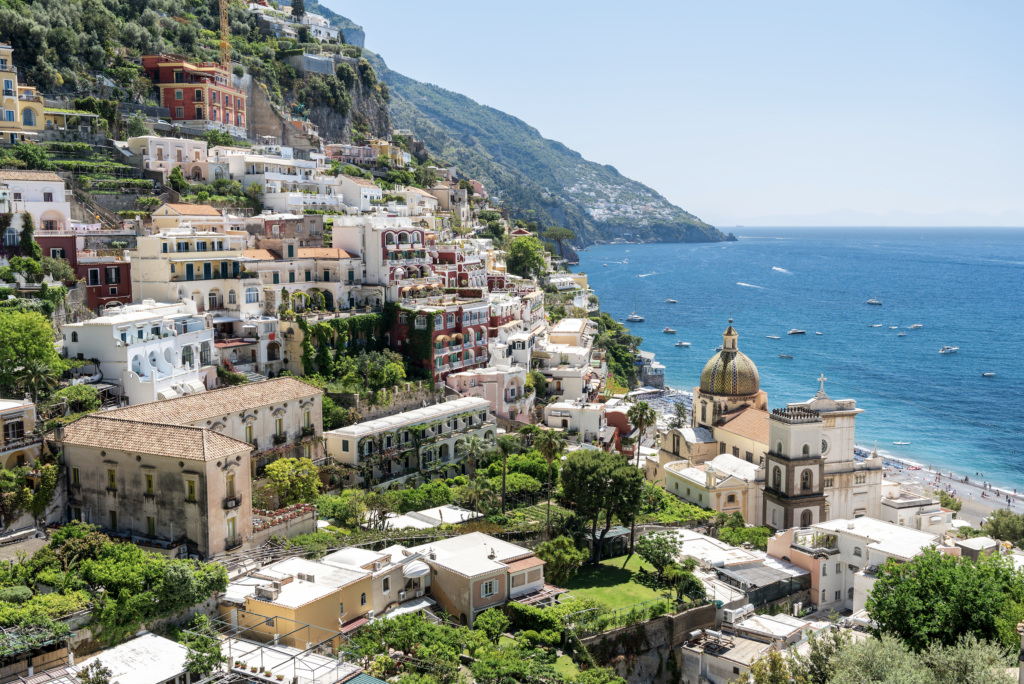
- Southern extension: Add Naples/Pompeii/Amalfi Coast
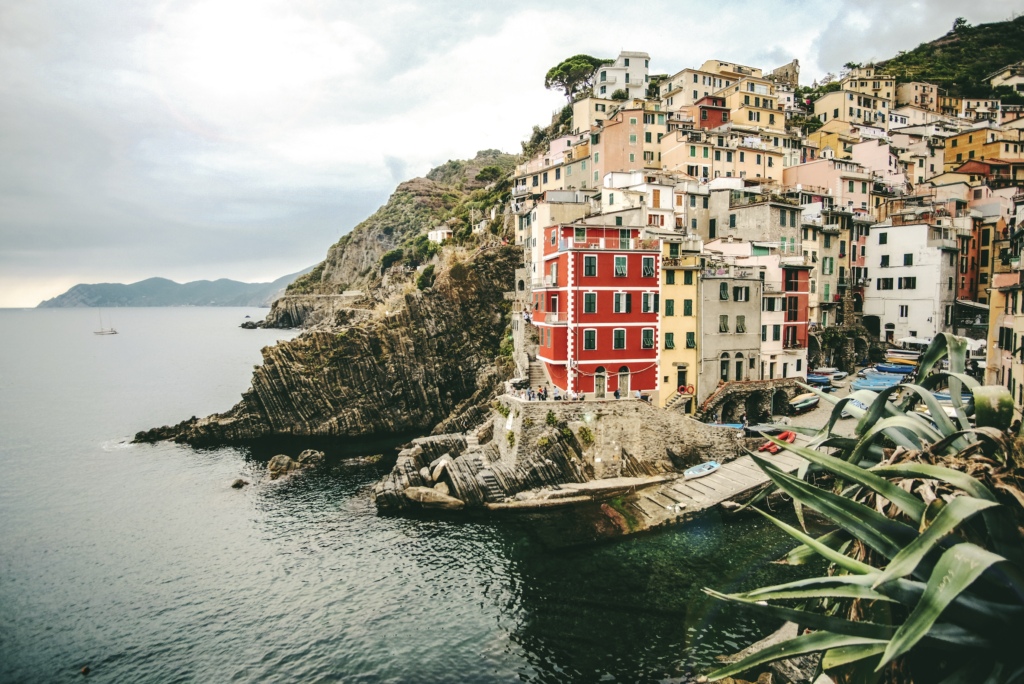
- Relaxed pace: Include Cinque Terre, Puglia, Sicily, or Lake Como
Sample 12-day outline:
- Days 1–4: Rome – ancient sites, Vatican, Trastevere evenings
- Days 5–8: Florence – art, day trips to Siena or Chianti
- Days 9–12: Venice – canals, islands, optional Dolomites detour
Limit moves between cities to 2–3 to reduce fatigue. High-speed trains (Trenitalia Frecciarossa) connect major spots efficiently.
Step 4: Book Key Tickets and Accommodations Early
Secure timed-entry tickets for high-demand attractions 2–6 months out:
- Colosseum + Roman Forum/Palatine Hill
- Vatican Museums & Sistine Chapel
- Uffizi Gallery & Accademia (David) in Florence
- Doge’s Palace & St. Mark’s Basilica in Venice (skip-the-line options)
Choose stays thoughtfully. Central locations save time—think near Termini in Rome, Santa Maria Novella in Florence, or Cannaregio in Venice for quieter vibes. Mix hotels with charming B&Bs or agriturismi in countryside areas for authentic flavor.
Step 5: Arrange Transportation Within Italy
Book high-speed train tickets online as soon as dates firm up—prices climb closer to travel. Regional trains suit shorter hops. For freedom in rural spots (Tuscany hills, Puglia coast), rent a car for part of the trip, but skip it in big cities where parking and ZTL zones complicate things.
Download the Trenitalia or Italo app, plus Citymapper or Google Maps for local transit.
Step 6: Plan Food, Activities, and Daily Rhythm
Italy’s daily pace differs—late lunches (1–3 pm), dinners starting 7:30–8 pm. Build in downtime: gelato breaks, piazza people-watching, aperitivo hour. Research regional specialties—carbonara in Rome, bistecca in Tuscany, seafood in Venice.
Pack versatile layers, comfortable walking shoes (cobblestones everywhere), and modest clothing for churches. Download offline maps, translation apps, and a VPN if needed.
Step 7: Final Checks and Flexibility
One month out: Confirm reservations, print or save digital tickets, buy travel insurance covering health and cancellations. Leave room for spontaneity—best memories often come from an unplanned village lunch or sunset viewpoint.
ItalyTravel streamlines this process with personalized itineraries, priority bookings, local guides, and insider access that make your trip feel effortless. Whether chasing history, flavors, or scenery, Italy unfolds beautifully when planned thoughtfully. Start mapping your route today—the country waits to surprise you at every turn.