Italy offers endless layers of beauty, but the real magic often hides in spots where crowds thin out and daily life feels genuine. ItalyTravel specializes in crafting journeys that lead you straight to these authentic corners, far from the usual tourist circuits. Instead of battling lines at major landmarks, imagine sipping espresso in a quiet piazza while locals chat about the weather, or wandering medieval lanes where history whispers without needing a guidebook.
Why Seek Out Local Italy Places Must to Visit
The charm lies in experiencing Italy as residents do. These destinations preserve traditions, flavors, and rhythms untouched by mass tourism. You taste regional dishes prepared the same way for generations, hear dialects that vary from valley to valley, and witness festivals tied to ancient customs rather than staged performances. Compared to packed hotspots, these places deliver deeper connections—whether through a conversation with a winemaker or a slow walk through olive groves at sunset.
Take Puglia in the south, for instance. Its whitewashed towns rise like sugar cubes against turquoise seas. Ostuni stands out with narrow streets climbing a hill, offering panoramic views over plains dotted with trulli—those conical stone huts unique to the area. Alberobello clusters hundreds of trulli together, creating an almost fairy-tale landscape, yet evenings bring quiet when day-trippers leave. Locals here still dry tomatoes on rooftops and press olive oil by hand in small family groves.
Further north, Le Marche remains remarkably under-visited despite landscapes rivaling Tuscany. Rolling hills give way to dramatic coastlines where beaches feel private. Urbino, a Renaissance jewel, boasts a ducal palace filled with masterpieces yet rarely crowded. The town’s brick facades glow in late afternoon light, and nearby villages serve hearty piadina flatbreads stuffed with local prosciutto and squacquerone cheese—simple, satisfying food that reflects the region’s farm-to-table ethos.
Abruzzo surprises many with its wild heart. Gran Sasso mountains tower over medieval settlements like Santo Stefano di Sessanio, where stone houses cluster around a single tower. Shepherds still guide flocks across high pastures, and saffron from nearby Navelli fields colors risotto in subtle gold. The national park offers hiking trails through beech forests and past glacial lakes, providing solitude rare in more famous alpine areas.
Coastal Villages That Capture True Italian Soul
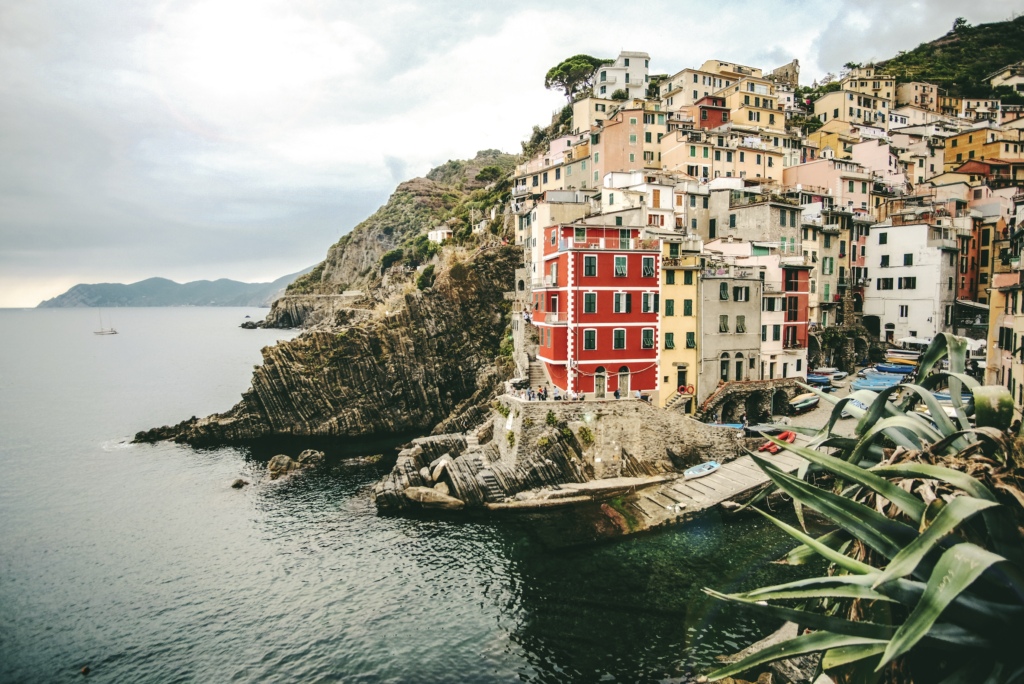
Move to Liguria’s lesser-explored stretches beyond the Cinque Terre crowds. Tellaro clings to cliffs above a tiny bay, its pastel houses stacked haphazardly. Fishermen haul nets at dawn, and the seafront promenade stays peaceful even in summer. Nearby Lerici offers a castle overlooking the Gulf of Poets, where Byron and Shelley once wandered. The vibe feels relaxed—think fresh focaccia from family bakeries and pesto made with basil grown on terraced hillsides.
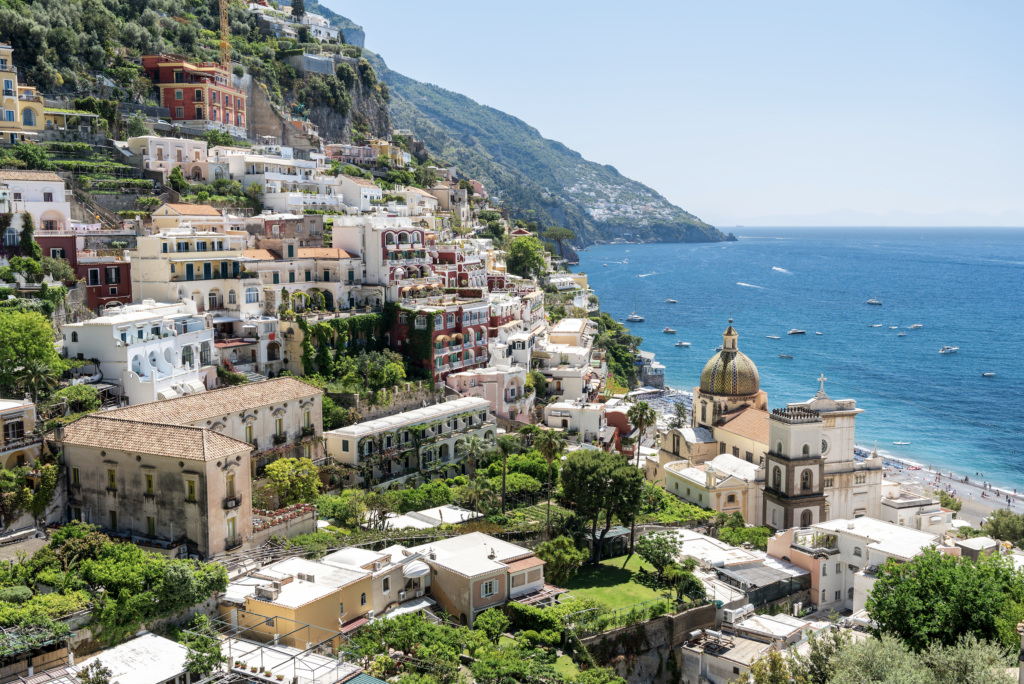
In Campania, Praiano provides a calmer alternative to Amalfi’s bustle. Steep stairways connect the village to hidden coves perfect for swimming. Sunsets paint the sky orange over Positano in the distance, but here the pace slows dramatically. Locals gather at small bars serving limoncello distilled from backyard lemons, sharing stories in thick Neapolitan accents.
Sardinia’s interior reveals another layer. Villages like Orgosolo in the Barbagia region feature murals covering entire walls—vibrant political and social commentary painted since the 1960s. Shepherds produce pecorino cheese in stone huts, and the surrounding Supramonte mountains hide nuraghe, Bronze Age stone towers that feel otherworldly. Beaches along the east coast, such as Cala Luna, remain reachable only by boat or hike, preserving their pristine quality.
Mountain Towns Offering Peaceful Escapes
Trentino-Alto Adige blends Italian warmth with Alpine crispness. Towns like Vipiteno boast colorful frescoed houses and a Christmas market tradition that draws fewer visitors than Bolzano’s. Nearby valleys hold pristine lakes and trails leading to rifugi—mountain huts serving polenta and speck. The region’s bilingual culture adds intrigue, with German-influenced cuisine alongside classic Italian dishes.
In Umbria, Spello’s flower-filled streets explode with color during the Infiorata festival, but even outside bloom season the town retains elegance. Roman arches frame views over olive-covered hills, and enotecas pour Sagrantino wines—bold reds aged in oak. Compared to Assisi nearby, Spello feels more intimate, with artisans crafting ceramics and lace in open workshops.
Sicily’s eastern coast hides treasures like Noto, rebuilt in Baroque splendor after an earthquake. Golden limestone buildings line streets that curve gently uphill. Local markets brim with arancini, cannoli shells waiting to be filled, and pistachios from Bronte. Ragusa Ibla perches on a hilltop, its domes and balconies offering sweeping views. These towns showcase Sicily’s layered history—Greek, Roman, Arab, Norman—through architecture and cuisine without overwhelming foot traffic.
Islands and Remote Corners Worth the Journey
Smaller islands deliver isolation in the best sense. Procida, near Naples, paints its houses in bright pastels along fishing harbors. No massive resorts dominate; instead, lemon groves scent the air, and beaches stay tranquil. Stromboli in the Aeolians features an active volcano whose eruptions light up nights—visible from black-sand shores where locals grill fresh catch.
In Calabria, Tropea crowns a cliff above crystal waters. The town’s red onion flavors pasta sauces, and Santa Maria dell’Isola church sits on its own rocky promontory, reachable by stairs. The region’s rugged interior holds ancient Greek ruins and villages where ‘nduja spicy sausage smokes over wood fires.
These spots share common threads: preserved heritage, seasonal rhythms, and genuine hospitality. You might join a family harvest, learn to make orecchiette by hand, or simply sit in a square watching life unfold. ItalyTravel designs itineraries around exactly these moments—personalized routes connecting hidden towns, local agriturismi stays, and experiences led by residents passionate about their regions.
Exploring these local Italy places must to visit reveals the country’s diversity beyond postcards. Each destination adds nuance to your understanding of Italian culture, food, and landscapes. From Puglia’s trulli to Abruzzo’s peaks, from Liguria’s fishing villages to Sicily’s Baroque gems, the journey rewards curiosity with memories far richer than any crowded landmark could offer. Plan your escape to these authentic corners—where Italy feels truly alive.