There’s a specific kind of place that stops needing to justify its reputation after a certain point. Lake Como reached that point sometime in the nineteenth century when European aristocracy decided the northern shore was the correct address for a summer villa, and it hasn’t looked back since. The question isn’t whether Como deserves its popularity — it clearly does — but what specifically it offers that keeps drawing people back when Italy has no shortage of beautiful places competing for the same attention.
The answer turns out to be several things operating simultaneously, which is usually how a place earns a durable reputation rather than a seasonal one.
The Geography Does Most of the Work
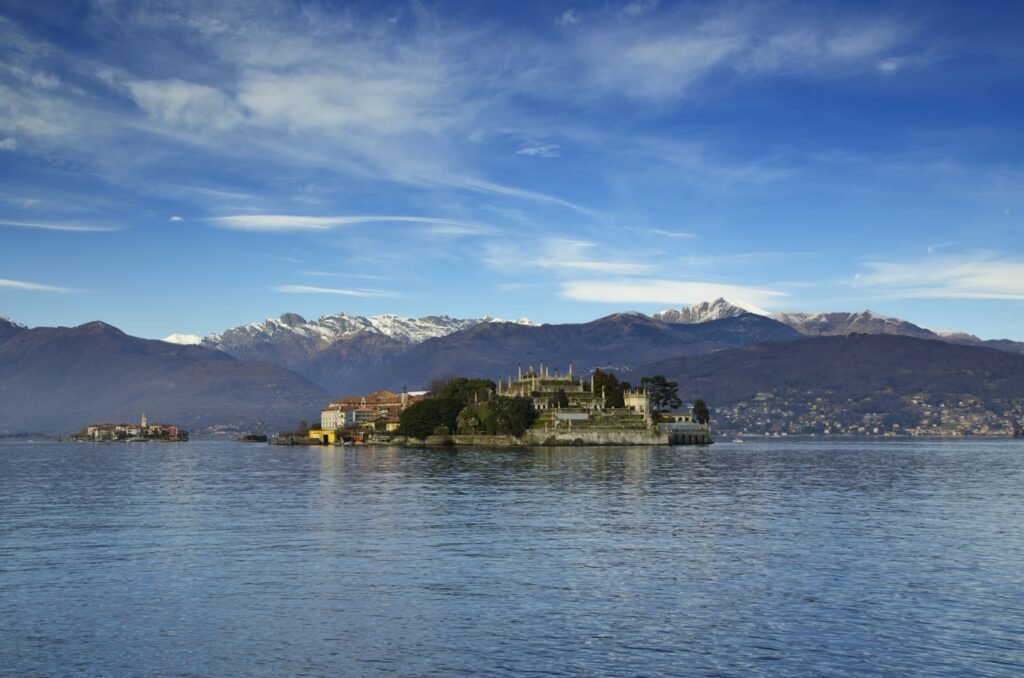
Lake Como is shaped like an inverted Y, with two southern branches meeting at the town of Bellagio on a promontory that has the geographical good fortune to face the water in three directions simultaneously. The Alps crowd the northern end of the lake, their lower slopes covered in terraced gardens and villages that look from the water as though they’ve been placed there by someone with strong aesthetic opinions. The water itself is deep enough that it stays cold and clear even in summer, and the surrounding mountains create a microclimate mild enough to support Mediterranean vegetation at an altitude where you wouldn’t expect it.
Palms, camellias, and wisteria grow alongside the lake at elevations where northern European visitors expect conifers. The effect is subtropical warmth framed by alpine peaks, which is a combination the landscape doesn’t offer in many places and which photographs with the kind of effortlessness that drives the lake’s continued presence in travel content.
The Villages Are the Real Attraction
Most visitors arrive at Como city, which is fine, and then spend their time on the water or in Bellagio, which is better. The villages that get overlooked in the itinerary-planning stage are consistently the best reason to stay longer than planned.
Varenna on the eastern shore has a waterfront promenade called the Passeggiata degli Innamorati — the Lovers’ Walk — that runs along the lake’s edge between the village and the ferry dock. It’s narrow enough that two people walking side by side take up most of it. The village above it has lanes too steep and too narrow for cars, which means the only way through is on foot and the only sounds are water and conversation.
Menaggio on the western shore is where the lake feels most like a working town rather than a resort. There are supermarkets and hardware stores and bars where people drink coffee without checking whether they’re in a scenic location. The ferry connections from Menaggio are good, making it a practical base for exploring the lake in every direction.
Lenno sits near the middle of the western branch and is primarily known for Villa del Balbianello, whose gardens occupy a headland that juts into the lake at an angle that makes it photogenic from every approach. The villa has appeared in two James Bond films, which tells you something about how it photographs and nothing about how it feels to stand in the garden at six in the evening when the tour groups have left.
The Villas and Their Gardens
The lake has been a destination for the wealthy since the Roman period — Pliny the Younger had two villas here and wrote about them with the enthusiasm of someone who had found exactly the right place and wanted everyone to know it. The tradition of building elaborate lakeside villas continued through the Renaissance and accelerated through the eighteenth and nineteenth centuries, leaving behind a concentration of significant historic gardens that constitutes one of the lake’s less-marketed but genuinely distinctive qualities.
Villa Carlotta in Tremezzo is the most accessible. The garden runs up the hillside above the lake through terraces of camellias, azaleas, and rhododendrons that peak in April and May with a color saturation that makes the experience feel slightly unreal. The art collection inside the villa is secondary to the garden but not negligible — Canova’s marble Cupid and Psyche is here, a copy of the original in the Louvre, and it sits in a room where natural light from lake-facing windows does exactly what Canova intended.
Villa del Balbianello requires a boat or a walk through the woods from Lenno. The approach by water is the correct one. The garden sits on its headland above the lake and the architecture of the villa itself is less important than the relationship between the structure, the terraced planting, and the water below. Visiting on a weekday morning before the day-trip boats arrive is worth planning around.
Getting Around the Lake
The ferry system is the right way to move between villages and the timetables, once understood, make it more flexible than it initially appears. The slow ferry stops at most lakeside villages. The faster hydrofoil connects the major towns quickly. A car ferry crosses between the central villages and is genuinely useful if you want to drive both shores without circumnavigating the entire lake.
Driving along the western shore on the SS340 between Como city and Menaggio is scenic and occasionally stressful because the road is narrow and shares its width with trucks supplying the lakeside hotels. The eastern shore road between Lecco and Varenna is similar. Neither route is dangerous by Italian standards, but both reward patience rather than speed and a GPS that understands road width limitations.
The ferry removes those considerations entirely. Board at one village, sit on the deck, arrive at the next. The lake from water level looks different from the lake from the road, and the difference is consistently in the water’s favor.
When to Go
April and May are the garden months. The azaleas and rhododendrons at Villa Carlotta are at their peak, the weather is mild without being hot, and the summer crowds haven’t arrived. Hotels cost less than July and the ferry queues at Bellagio are manageable.
June through August is high season in the complete sense. The lake is beautiful and full of people experiencing it being beautiful. Accommodation needs booking months ahead. Bellagio on a Saturday in August requires a tolerance for crowds that not everyone has. The water is warm enough to swim in, which matters.
September and October bring the summer visitors home and leave the lake to people who prefer it quieter. The light changes in October in a way that photographers who have been there in multiple seasons tend to mention specifically — lower angle, warmer tone, the mountains holding snow on their upper sections while the lakeside gardens are still green.
November through March is when the lake belongs to the locals. Most of the smaller hotels and restaurants close. The ones that stay open are worth finding.
The Celebrity Factor
Lake Como’s association with celebrity residents — George Clooney’s Villa Oleandra in Laglio being the most frequently referenced — is real and largely irrelevant to the experience of visiting. The association reflects the lake’s qualities rather than creating them. Wealthy and famous people have been choosing Como for two thousand years, which is a longer track record of endorsement than any current resident provides.
The celebrity connection does generate a specific category of tourism — boat tours that pass in front of notable villas, restaurants that mention famous patrons — that is avoidable if it holds no interest and harmless if it does.
Why It Works
Lake Como is popular because it combines several things that travel photography can convey — the mountains, the water, the architecture, the gardens — with several things that photographs don’t fully capture. The pace of the ferry crossing. The temperature drop when you step into a shaded village lane. The way Bellagio looks from the water at the moment the boat rounds the point and the promontory comes into full view for the first time.
Those second-category experiences are why people who have been once tend to go back. The photographs brought them. The place kept them.