Why Italy Is So Popular
There are countries people visit once and check off a list. Italy is not one of them. People go, come back, go again, and spend the years between trips thinking about specific meals in specific places with a specificity that doesn’t apply to most travel experiences. A plate of pasta in Bologna in 2019. A particular view from a Sicilian hilltop at dusk. The inside of a church in Florence that wasn’t in any guidebook.
Something about Italy lodges itself in people. Figuring out what that something is requires looking past the obvious answers, because the obvious answers are true but incomplete.
The Food Is Not an Exaggeration
Every country claims its cuisine. Italy’s claim is different because the food is genuinely regional in a way that surprises people who thought they knew what Italian food was before they went.
The carbonara in Rome bears no resemblance to what gets called carbonara in the rest of the world — no cream, no peas, eggs and guanciale and pecorino combined with pasta water and confidence. The ragù in Bologna is served with tagliatelle, never spaghetti, and cooks for hours in a way that produces something fundamentally different from a quick meat sauce. Sicilian food reads as North African in places — saffron, raisins, pine nuts appearing in savory dishes in combinations that reflect the island’s history as clearly as any history book. Ligurian food smells of basil and the sea simultaneously.
The regional specificity means that eating well in Italy requires eating locally rather than eating Italian. Order what the region makes rather than what the menu thinks tourists want, and the quality of what arrives is genuinely difficult to find anywhere else.
The History Is Everywhere and It’s Not Curated
Most countries keep their history in museums and designated heritage sites with opening hours and admission prices. Italy’s history is simply present in the built environment in a way that stops being remarkable only when you stop paying attention.
Rome is the clearest example. You walk past a two-thousand-year-old temple on the way to buy coffee. The Pantheon has been in continuous use since 125 AD — first as a temple, then as a church, currently as both a church and one of the most visited buildings on earth. The Colosseum sits in the middle of the city as a functioning piece of urban geography rather than a protected artifact at a safe distance from everyday life.
But Rome is also the most obvious example and therefore slightly misleading. In smaller towns the layering is more intimate. A medieval church built on a Roman foundation. A Renaissance palazzo using stone quarried from an ancient temple. Pompeii, which is not Rome and not small, shows what a Roman city actually looked like in daily operation before a single moment of geological violence preserved it permanently.
The density of history per square kilometer in Italy is extraordinary. More importantly, it’s accessible. You don’t need a ticket to walk past most of it.
The Landscape Has Genuine Range
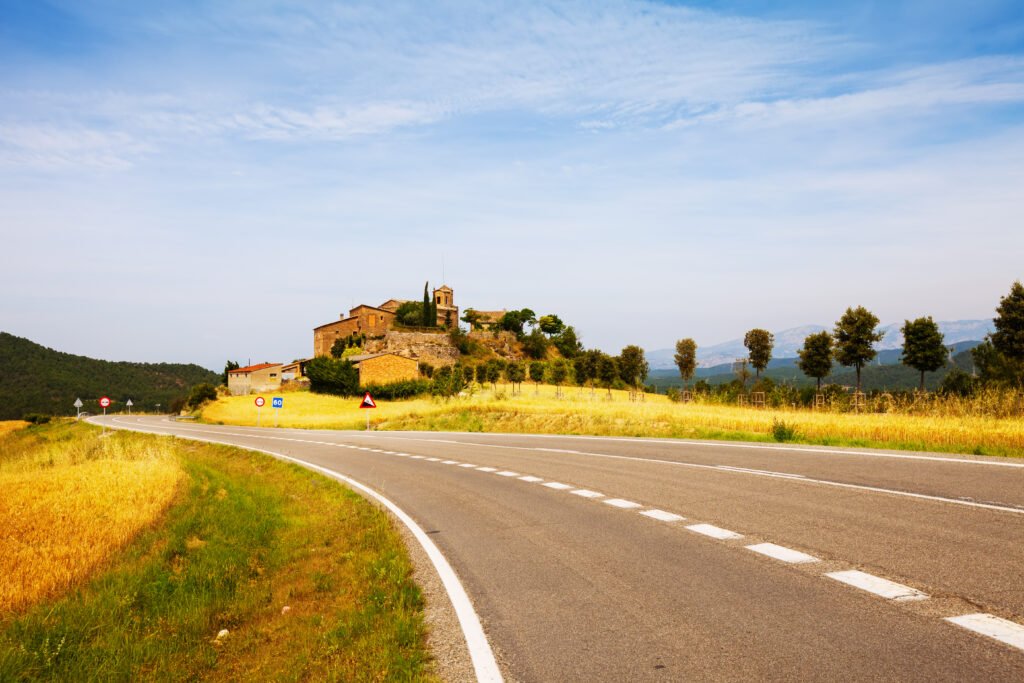
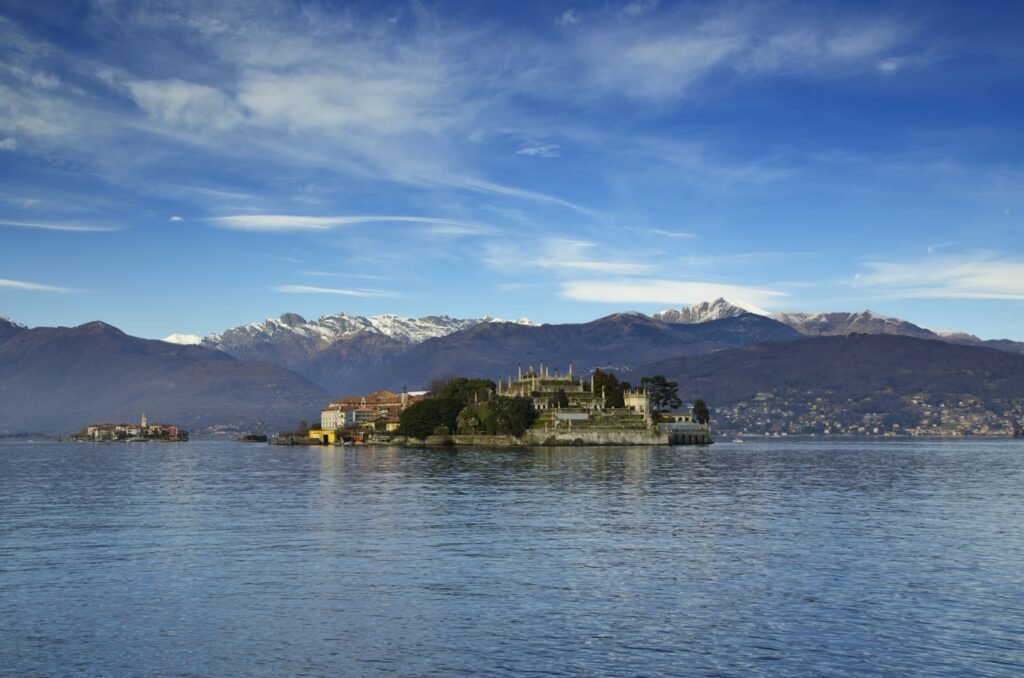
Italy is a long, narrow country that runs from the Alps in the north to the Mediterranean in the south, covering enough latitudinal distance that the climate, geography, and character of the land change substantially as you move through it.
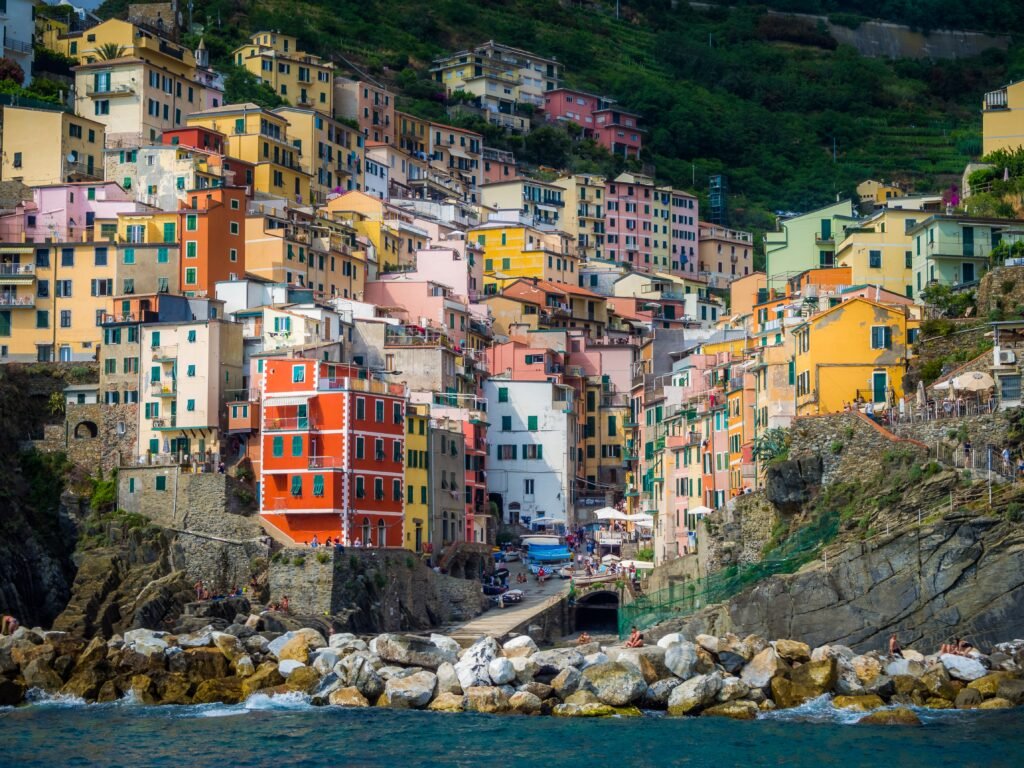
The Dolomites in the northeast are alpine in a way that feels more Swiss than Italian until the villages and the food remind you where you are. The Po Valley is flat agricultural country that produces some of the finest ingredients in Europe from soil that looks unremarkable from a train window. Tuscany has been painted and photographed so extensively that the real landscape can feel like a reproduction of itself, which is a strange problem to have and doesn’t make it less beautiful. The Amalfi Coast is vertical in a way that engineering has accommodated but never quite solved. Sicily is North Africa at a geographical remove.
A traveler who drove the length of the country would cross through half a dozen distinct environments, each with their own food, dialect, architecture, and relationship with the rest of Italy. That range in a single country is unusual and it’s part of why repeat visits tend to go somewhere different rather than returning to the same region.
The Art Is Disproportionate to Any Reasonable Expectation
The concentration of significant art in Italian cities is genuinely hard to comprehend before you experience it directly. The Uffizi in Florence contains more masterworks per room than most national galleries contain in their entirety. The Vatican Museums hold Raphael’s Stanze and the Sistine Chapel in the same building. The Accademia in Venice has the full cycle of Bellini altarpieces and Titian’s late work in rooms that would be the centerpiece of any other institution in the world.
And that’s before the art that isn’t in museums. The frescoes on church ceilings. The sculptures in public squares. Michelangelo’s David stands in a purpose-built room in Florence but Bernini’s work stands in churches that hold regular services and can be visited for free at any reasonable hour.
The volume and quality of art in Italy exists because the Renaissance happened there, because wealthy families competed through patronage for several centuries, and because the resulting accumulation never got dispersed the way English aristocratic collections did or destroyed the way revolutionary France managed. It stayed, and now it’s available to anyone who shows up.
The Pace Is Different From What Most Visitors Expect
Italy has a reputation for inefficiency that is partly accurate and entirely beside the point. Trains run late sometimes. Bureaucracy moves slowly. Shops close in the afternoon for reasons that are not explained and not negotiated.
What this actually describes is a culture that has not fully reorganized itself around productivity as a primary value. The two-hour lunch is not inefficiency. It’s a different prioritization. The Sunday when everything is closed is not inconvenient. It’s a collective decision about what Sundays are for.
Visitors who adjust to this pace rather than fighting it consistently report that Italy becomes a different experience. The afternoon when the town shuts down is the afternoon you sit in a piazza with something cold and watch the local geography of social life play out around you. That’s not wasted time. It’s the country showing you how it operates, which is what travel is supposed to deliver.
The Small Towns Carry the Country’s Real Character
Rome, Florence, Venice, and the Amalfi Coast account for the majority of Italy’s international tourism. They also represent a version of Italy that has been substantially shaped by the fact of being internationally visited.
The Italy that exists between those coordinates is different. Matera in Basilicata, carved into a ravine in the deep south, was considered a national embarrassment in the 1950s and is now a UNESCO World Heritage Site that most visitors still haven’t discovered. The hilltowns of Le Marche sit east of Tuscany and west of the Adriatic without the tourist infrastructure that similar Tuscan towns have accumulated. Lecce in Puglia has baroque architecture so elaborate it reads as excessive and is therefore exactly right. Trieste sits at the northeastern tip of the country with a central European character that reflects its Habsburg history more than its Italian present.
These places require more effort than booking a flight to Rome. They reward that effort with a version of Italy that hasn’t yet developed the specific fatigue that comes from hosting twenty million visitors a year.
The Honest Answer
Italy is popular because it delivers on multiple registers simultaneously in a way that few countries manage. History for the historically minded. Food for the food-obsessed. Landscape for the drivers and hikers. Art for the culturally inclined. Architecture for everyone, whether they know it or not.
Most destinations are strong in one or two of those areas. Italy is strong in all of them and has been for long enough that the infrastructure for experiencing them is well-developed without being entirely overrun.
That’s the formula. It’s not complicated. It’s just very difficult to replicate.